Down Payment Saving Guide for Homebuyers

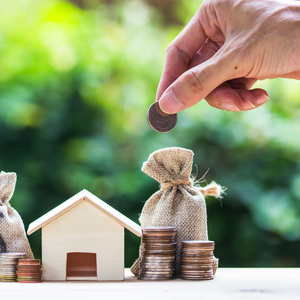
One of the most common questions for prospective homebuyers is how much they need to save for a down payment. While you may have heard the traditional 20% figure, the reality is much more flexible and accessible than many people realize. Understanding your options can transform homeownership from a distant dream into an achievable goal.
Moving Beyond the 20% Myth
The belief that you need 20% down to buy a home is one of the biggest barriers preventing qualified buyers from entering the market. While a 20% down payment does have benefits including avoiding private mortgage insurance (PMI), it’s not a requirement for most loan programs.
Many conventional loans allow down payments as low as 3-5%, while government-backed loans like FHA loans can require just 3.5% down. VA loans offer 0% down payment options for qualified veterans and service members, and USDA loans provide similar benefits for rural homebuyers.
Factors That Influence Your Down Payment
Your ideal down payment amount depends on several factors, including the loan program you choose, your credit score, and your financial goals. A larger down payment typically means lower monthly payments and less interest paid over the life of the loan, but it’s important to balance this with maintaining emergency savings and covering moving expenses.
Consider your local housing market as well. In higher-cost areas, saving 20% might take significantly longer, making lower-down-payment options more practical for getting into the market sooner while home values continue to be appreciated.
Realistic Saving Targets and Timelines
A practical approach involves setting realistic saving targets based on your target home price and preferred loan program. For a $300,000 home, a 3% down payment would be $9,000, while 10% would be $30,000. Break these larger amounts into manageable monthly saving goals based on your timeline.
Remember to account for additional costs beyond the down payment, including closing costs (typically 2-5% of the home price), moving expenses, and immediate home maintenance needs. A comprehensive savings plan ensures you’re prepared for all homeownership costs.
Strategies for Successful Saving
Building your down payment requires a structured approach. Consider setting up automatic transfers to a dedicated savings account, reducing discretionary spending, and exploring payment assistance programs available in your area. Many states and municipalities offer grants and forgivable loans for first-time homebuyers.
Tracking your progress visually can help maintain motivation. Celebrate milestones along the way, whether it’s reaching 25%, 50%, or 75% of your goal. The team at Advantage Home Plus can help you create a personalized saving strategy that fits your financial situation.
Making an Informed Decision
The right down payment amount balances your immediate home buying goals with long-term financial health. While saving more can reduce your monthly payments, draining your savings entirely leaves you vulnerable to unexpected expenses.
Guidance from experienced professionals at Advantage Home Plus can help you navigate these decisions confidently. Understanding all available options ensures you make choices that support both your homeownership dreams and financial stability.
Schedule your free consultation today to explore your path to homeownership and receive personalized guidance on down payment strategies that work for your unique financial situation.