The 20% Down Payment Myth Explained
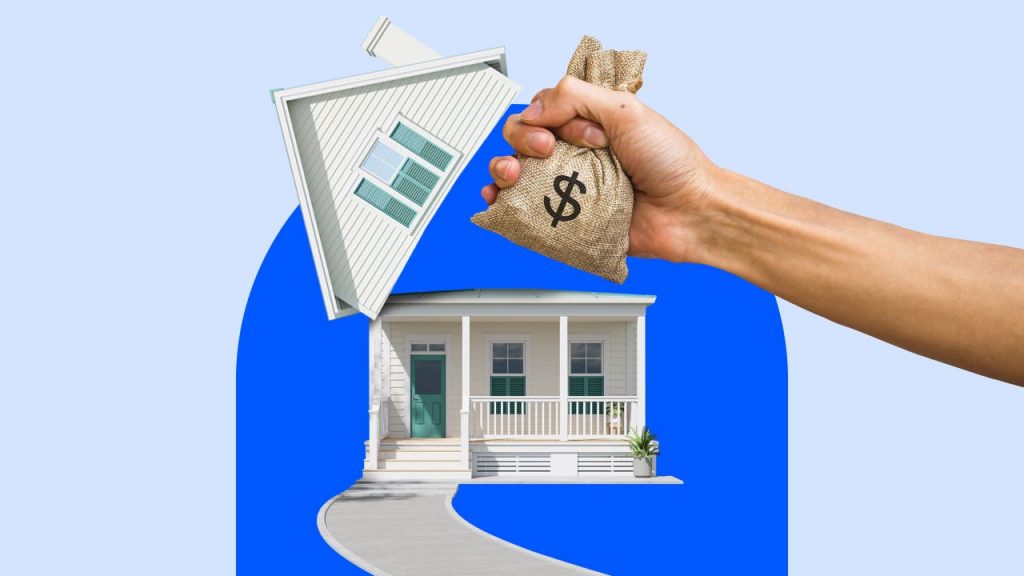
For many aspiring homeowners, the dream hits a seemingly immovable wall: the belief that you must save a full 20% of a home’s price for a down payment. This “rule” is one of the most pervasive and damaging myths in real estate. While 20% has benefits, it is far from a universal requirement. Understanding the reality can transform homeownership from a distant someday into a tangible near-term goal.
Why the 20% Myth Persists (And Its One Big Benefit)
The 20% figure is often cited because it’s the threshold for avoiding Private Mortgage Insurance (PMI). PMI is an added monthly fee that protects the lender if you default. Putting down 20% signals strong financial commitment, eliminates this cost, and can sometimes secure a marginally better interest rate. However, for many, especially first-time buyers, waiting to save 20% can mean waiting years longer as prices rise, making the goal harder to reach.
The Reality: Legitimate Low-Down-Payment Options
A wide range of reputable loan programs are designed for buyers with smaller savings. Here are the most common:
- FHA Loans: Backed by the Federal Housing Administration, these popular loans require as little as 3.5% down with a minimum 580 credit score. They are a cornerstone of first-time homebuyer programs.
- Conventional 97 Loans: Despite the “conventional” name, these loans from private lenders require just 3% down. They typically require a slightly higher credit score (often 620+) than FHA but can have competitive terms.
- VA Loans: For eligible veterans, service members, and surviving spouses, VA loans offer the incredible benefit of 0% down payment with no PMI.
- USDA Loans: For homes in designated rural areas, USDA loans also offer 0% down options for moderate-income buyers.
What You Do Need: The Real Checklist
Shifting focus from an arbitrary 20% target allows you to concentrate on what lenders and a successful purchase truly require:
- A Solid Credit Profile: Your credit score and history are critical for loan approval and securing a good interest rate, especially with a lower down payment.
- A Manageable Debt-to-Income (DTI) Ratio: Lenders need to see that your total monthly debt payments (including the new mortgage) are a sustainable portion of your income.
- Cash for Closing Costs: The down payment is only one part of the upfront cash needed. You must also budget for closing costs, which typically range from 2% to 5% of the loan amount.
- Financial Reserves: Having extra savings left over after closing even one or two months of mortgage payments demonstrates stability to lenders and provides you with a crucial safety net.
- A Clear Understanding of PMI: If you put down less than 20%, factor PMI into your monthly budget. Know that it is not permanent; you can request its removal once you reach 20% equity.
Creating Your Personalized Plan
The right down payment amount is personal. It balances your savings, monthly budget comfort, and long-term goals. An analysis can show if paying PMI for a few years to buy now is financially smarter than waiting several more years to save 20% in a rising market.
Navigating these options and calculating the true cost of each path is where expert guidance becomes invaluable. The financial wellness resources provided by your employer, including access to partners like Advantage Home Plus, can help you move beyond myths. By providing clarity on different loan programs and helping you assess your complete financial readiness, these resources empower you to make an informed, confident decision about one of the most important steps in your homeownership journey. Schedule your free consultation today to explore your path to homeownership.