How to Talk to Your Mortgage Lender About Your Income-Based Repayment Plan
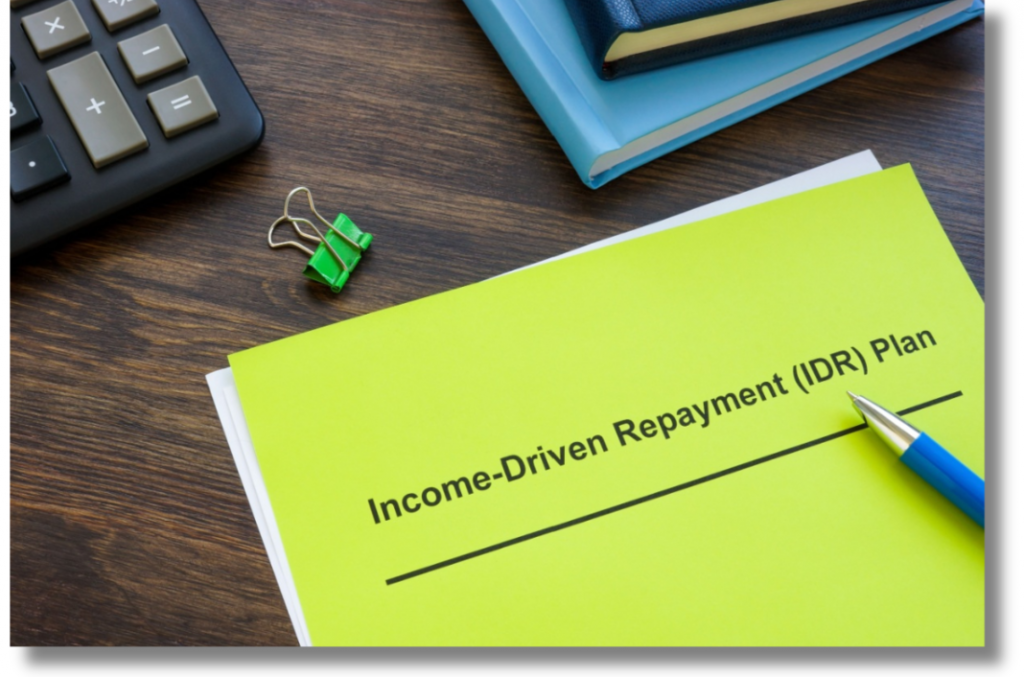
f you’re on an Income-Driven Repayment (IDR) plan for your student loans and preparing to apply for a mortgage, you might feel uncertain about how the conversation with a lender will go. Will they understand how your payments work? Will they use the right number? The good news is that with a little preparation, you can confidently explain your situation and ensure your application reflects your true financial picture.
Understand What Lenders Need to Know
Mortgage lenders focus on one thing related to your student loans: your monthly payment amount. This number directly affects your debt-to-income (DTI) ratio, which helps determine how much home you can afford.
For borrowers on IDR plans, the key is ensuring lenders use your actual documented IDR payment, not the standard payment amount listed on your credit report or in generic loan documents. Your IDR payment is likely lower, which can strengthen your application.
Bring the Right Documentation
Before meeting with a lender, gather:
- Your most recent student loan billing statement clearly showing your IDR payment amount
- Documentation of your repayment plan from your loan servicer (often called a “repayment plan certification”)
- Proof that your payments are current and in good standing
Having these documents ready signals organization and makes the lender’s job easier.
Use Clear Language When You Explain
When discussing your loans, be direct and specific. Try something like:
“I’m on an Income-Driven Repayment plan for my student loans. My current monthly payment is [amount], and I’ve brought documentation showing that. Can you confirm that you’ll use this payment amount in my DTI calculation?
This approach is professional, clear, and invites confirmation rather than assumption.
Ask Questions to Ensure Accuracy
Don’t be afraid to ask clarifying questions:
- “Which payment amount will appear on my loan application?”
- “Do you need anything else from my loan servicer to verify my IDR payment?”
- “If my payment changes during underwriting, how would that affect my approval?”
Good lenders appreciate informed borrowers who ask thoughtful questions. It makes the process smoother for everyone.
Know That Not All Lenders Are Alike
Here’s an important truth: lenders vary in their familiarity with IDR plans. Some work with student loan borrowers regularly and understand the nuances. Others may default to standard payment amounts out of habit or caution.
If a lender seems unsure about how to handle your IDR payments, you have options. You can provide additional documentation, ask to speak with a supervisor, or consider working with a lender who specializes in mortgages for borrowers with student debt.
The Bottom Line
Your IDR plan is not a barrier to homeownership; it’s simply a detail that requires clear communication. With the right documentation and a confident approach, you can help your lender understand your situation and ensure your application accurately reflects your finances.
Feeling prepared for these conversations is a key part of the homebuying journey. The guidance available through your employee homeownership program can help you think through these steps and connect with professionals who understand the nuances of student loans and mortgages.


SupportSquad@AdvantageHomePlus.com | (800)511-2197
The information contained and the opinions expressed in this article are not intended to be construed as investment advice. Advantage Home Plus does not guarantee or warrant the accuracy or completeness of the information or opinions contained herein. Nothing herein should be construed as investment advice. You should always conduct your own research and due diligence and obtain professional advice before making any investment decision. * Real estate commission contributions are available as state laws allow.