The Headline vs. The Benchmark: Decoding Your Real Mortgage Rate

Navigating real estate headlines can often leave home seekers feeling uncertain. One day news reports suggest interest rates are dropping, and the very next day articles warn of sudden spikes. Furthermore, advertisements online frequently promote remarkably low percentages that seem almost too good to be true. It is easy to wonder which number actually applies to your situation and how these figures impact your overall financial wellness.
National Averages vs. Personal Quotes
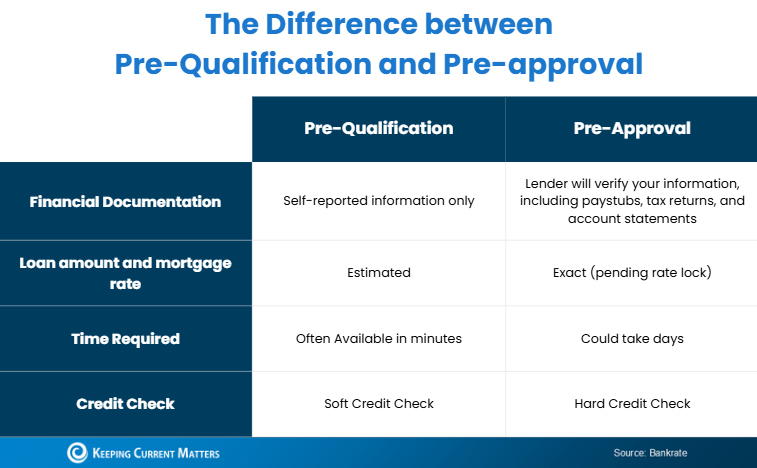
The essential detail to remember is that published national mortgage rates are averages or promotional benchmarks. They represent a general snapshot of the economy rather than a personalized quote. When you apply for a home loan, the rate you receive is calculated specifically for you based on a combination of personal financial factors.
Key Factors Lenders Evaluate
Lenders evaluate several core criteria to determine your individual rate:
- Credit Profile: A strong credit score demonstrates a track record of managing debt responsibly, which often translates directly into lower interest rate offers.
- Debt-to-Income (DTI) Ratio: This ratio compares your monthly debt obligations against your gross monthly income, helping lenders gauge your capacity to comfortably manage new home expenses.
- Down Payment & Loan Equity: The size of your initial down payment impacts the overall loan amount relative to the home value. Higher initial equity reduces lender risk and can unlock better terms.
- Loan Terms and Options: Different loan programs, whether fixed-rate or adjustable, carry distinct interest structures tailored to various financial timelines.
Addressing potential credit issues requires time and patience, as credit reporting agencies often take several weeks to reflect updated account balances and corrected records. By taking thoughtful action now rather than waiting until January, you allow yourself the room needed to strengthen your profile without unnecessary stress.
The Bottom Line
Additionally, buyers can actively influence their effective rate through strategic options. For instance, temporary or permanent rate buydowns allow upfront contributions to reduce monthly payments, while seller concessions can offset closing costs, freeing up capital to adjust loan terms.
Rather than letting fluctuating online headlines create anxiety or stall your long-term housing goals, gaining clarity around your unique financial profile provides genuine confidence. Taking proactive steps to review your credit, manage existing balances, and evaluate loan program options allows you to make informed decisions that align with your family budget.
Navigating home financing options does not have to be an overwhelming process. Personalized guidance and practical planning resources are readily available to help you understand your unique profile and explore your next steps with confidence.
Schedule your free consultation today!


SupportSquad@AdvantageHomePlus.com | (800)511-2197
The information contained and the opinions expressed in this article are not intended to be construed as investment advice. Advantage Home Plus does not guarantee or warrant the accuracy or completeness of the information or opinions contained herein. Nothing herein should be construed as investment advice. You should always conduct your own research and due diligence and obtain professional advice before making any investment decision. * Real estate commission contributions are available as state laws allow.