¿Vale La Pena Refinanciar Tus Préstamos Estudiantiles Antes De Comprar Casa?

Si tienes préstamos estudiantiles y ya estás pensando en comprar tu propia casa, es muy probable que te hayas preguntado si conviene refinanciarlos antes de pedir la hipoteca. Es una duda muy válida, y la respuesta depende de qué tanto te beneficien las ventajas frente a los riesgos que no siempre se ven a simple vista.

Esto es lo que debes tener en cuenta antes de dar el paso:

Refinanciar los préstamos estudiantiles puede ofrecer varias ventajas cuando se está preparando para comprar una vivienda: 

  • Una tasa de interés más baja: Esto reduce tu pago mensual, lo que mejora tu relación deuda-ingresos (DTI).
  • Un solo pago al mes: Simplifica tus finanzas y así es menos probable que se te pase alguna fecha de pago.
  • Un plazo más corto: Podrías ahorrarte miles de dólares en intereses a largo plazo, lo que te dará más libertad económica en el futuro.

Para muchos, estos beneficios hacen que refinanciar sea un primer paso muy inteligente, ya que un pago mensual más bajo te ayuda a calificar más fácil para una hipoteca.

Sin embargo, el refinanciamiento no está exento de posibles desventajas, especialmente cuando se vislumbra una solicitud de hipoteca en el horizonte.

Pérdida de protecciones federales: Si refinancias préstamos federales con un banco privado, perderás para siempre el acceso a los planes de pago basados en ingresos (IDR), a los programas de condonación de deuda y a las opciones de aplazamiento. Esto es vital si tus ingresos varían o si buscas la Condonación de Préstamos por Servicio Público (PSLF).

Impacto en tu puntaje de crédito: Al solicitar una refinanciación, el banco hace una revisión profunda de tu crédito (hard inquiry), lo que puede bajar tu puntaje temporalmente. Además, cerrar cuentas viejas para abrir una nueva puede afectar la “edad” de tu historial crediticio.

Cuidado con los tiempos: Si refinancias muy cerca de pedir la hipoteca, es posible que el banco quiera ver varios meses de pagos puntuales de tu nuevo préstamo antes de aceptar esa cuota reducida en sus cálculos. Esto podría retrasar tus planes de compra.

Ojo con esto: algunos refinancian a un plazo más corto para salir rápido de la deuda. Esto puede hacer que tu pago mensual suba, aunque la tasa de interés sea más baja. Un pago mensual más alto empeora tu relación deuda-ingresos (DTI) y podría reducir el monto de la hipoteca que el banco te autorice. No te fijes solo en el interés; simula siempre cómo quedará tu cuota mensual.

Antes de dar el paso, te recomendamos esto:

  • Saca cuentas de las dos formas: Calcula tu DTI con tus préstamos actuales y compáralo con cómo quedaría tras refinanciar.
  • Revisa tu calendario: Si planeas comprar casa en los próximos seis meses, refinanciar podría traerte más dolores de cabeza que beneficios.
  • Consulta primero con un experto hipotecario: Saber cómo verá tu asesor esa deuda refinanciada te evitará sorpresas desagradables a mitad del proceso.

La decisión correcta depende totalmente de tu situación: tus intereses, tu carrera, el tipo de préstamos que tengas y qué tan pronto quieras mudarte. Lo que ayuda a un vecino podría no ser lo mejor para ti.

Tener una guía objetiva es clave para no fallar. Los recursos educativos del programa de acceso a la vivienda para empleados de tu empresa están para eso: para ayudarte a analizar estas opciones y conectarte con profesionales que entienden perfectamente el mundo de los préstamos estudiantiles y las hipotecas.

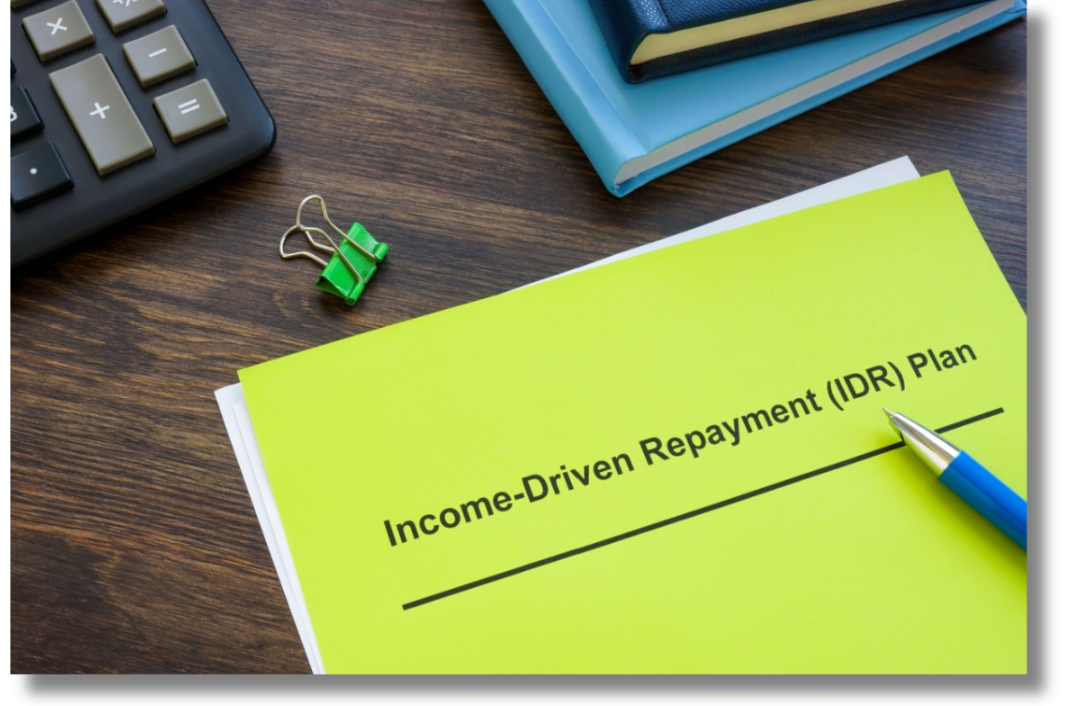
How to Talk to Your Mortgage Lender About Your Income-Based Repayment Plan

f you’re on an Income-Driven Repayment (IDR) plan for your student loans and preparing to apply for a mortgage, you might feel uncertain about how the conversation with a lender will go. Will they understand how your payments work? Will they use the right number? The good news is that with a little preparation, you can confidently explain your situation and ensure your application reflects your true financial picture. 

Mortgage lenders focus on one thing related to your student loans: your monthly payment amount. This number directly affects your debt-to-income (DTI) ratio, which helps determine how much home you can afford. 

For borrowers on IDR plans, the key is ensuring lenders use your actual documented IDR payment, not the standard payment amount listed on your credit report or in generic loan documents. Your IDR payment is likely lower, which can strengthen your application. 

Before meeting with a lender, gather: 

  • Your most recent student loan billing statement clearly showing your IDR payment amount 
  • Documentation of your repayment plan from your loan servicer (often called a “repayment plan certification”) 
  • Proof that your payments are current and in good standing

Having these documents ready signals organization and makes the lender’s job easier. 

When discussing your loans, be direct and specific. Try something like: 

“I’m on an Income-Driven Repayment plan for my student loans. My current monthly payment is [amount], and I’ve brought documentation showing that. Can you confirm that you’ll use this payment amount in my DTI calculation? 

This approach is professional, clear, and invites confirmation rather than assumption. 

Don’t be afraid to ask clarifying questions: 

  • “Which payment amount will appear on my loan application?” 
  • “Do you need anything else from my loan servicer to verify my IDR payment?” 
  • “If my payment changes during underwriting, how would that affect my approval?”

Good lenders appreciate informed borrowers who ask thoughtful questions. It makes the process smoother for everyone. 

Here’s an important truth: lenders vary in their familiarity with IDR plans. Some work with student loan borrowers regularly and understand the nuances. Others may default to standard payment amounts out of habit or caution. 

If a lender seems unsure about how to handle your IDR payments, you have options. You can provide additional documentation, ask to speak with a supervisor, or consider working with a lender who specializes in mortgages for borrowers with student debt. 

Your IDR plan is not a barrier to homeownership; it’s simply a detail that requires clear communication. With the right documentation and a confident approach, you can help your lender understand your situation and ensure your application accurately reflects your finances. 

Feeling prepared for these conversations is a key part of the homebuying journey. The guidance available through your employee homeownership program can help you think through these steps and connect with professionals who understand the nuances of student loans and mortgages. 

SupportSquad@AdvantageHomePlus.com | (800)511-2197

De Pensarlo A Mudarse Una Guía Práctica Para Convertir La Propiedad De Una Vivienda En Realidad

Ahí es donde suele surgir la confusión. 

  • Los amigos comparten consejos. 
  • Las redes sociales ofrecen opiniones. 
  • Las calculadoras en línea ofrecen respuestas rápidas. 

Pero lo que le funcionó a otra persona puede no ser aplicable a ti. Los programas de préstamo para los que calificas, el monto de tu pago inicial e incluso tu tasa de interés probablemente dependan de factores como: 

  • Tu puntaje crediticio 
  • Tu relación deuda-ingresos 
  • Tu cantidad de ahorros 
  • Tus ingresos 

Estos son los aspectos que pueden determinar en gran medida tu plan personal. 

Paso 1: Define Tu Cronograma: ¿Tu objetivo es ahora mismo o está a 6-12 meses? ¿Un año o más? ¿Solo estás explorando? Tu cronograma influye en todo: desde la estrategia de ahorro hasta los ajustes crediticios y la selección de préstamos. 

Paso 2: Revisa Tu Panorama Financiero 

Comprende: 

  • Puntaje crediticio 
  • Deudas mensuales 
  • Estabilidad de ingresos 
  • Ahorros disponibles 

Pequeñas mejoras realizadas al principio pueden ampliar tus opciones más adelante. 

Paso 3: Comprende Cuánto Puedes Permitirte Cómodamente: La calificación y la comodidad no son lo mismo. 

La verdadera asequibilidad incluye:  

  • Pago mensual 
  • Impuestos y seguro 
  • Mantenimiento 
  • Tus objetivos financieros más amplios 

Un plan inteligente alinea los números con tu estilo de vida. 

Paso 4: Explore Los Programas De Préstamos – No Dé Por Sentado 

Uno de los mayores errores que cometen los compradores es dar por sentado que no califican. 

Muchos programas permiten un enganche de tan solo un 0-3%. Otros ofrecen flexibilidad según los ingresos o el perfil crediticio. La elegibilidad depende de su situación financiera completa, no de un titular en línea. 

Paso 5: Determine El Efectivo Total Necesario: El enganche es solo una parte de la ecuación. 

Debe planificar para: 

  • Enganche 
  • Gastos de cierre 
  • Impuestos y seguros pagados por adelantado 
  • Reservas potenciales 

Sin claridad, los compradores a menudo sobreestiman (o subestiman) lo que necesitan. 

Paso 6: Evite Cambios Financieros Antes Del Cierre 

Abrir nuevas tarjetas de crédito, financiar muebles o aumentar los saldos puede afectar la aprobación. La estabilidad es importante una vez que se prepara para comprar. 

Paso 7: Elabore Un Plan Coordinado 

Aquí es donde muchas personas se sienten abrumadas y donde la orientación marca la diferencia. 

A través de su Programa de Vivienda para Empleados, tiene acceso a asesoramiento y planificación individualizados para ayudarle a: 

  • Revisar y mejorar el crédito 
  • Explorar la ayuda con el pago inicial 
  • Conocer las opciones del programa de préstamos 
  • Calcular el efectivo total necesario 
  • Identificar posibles ahorros en los costos de cierre 

En lugar de recopilar consejos de múltiples fuentes, puede elaborar un plan basado en su situación específica. 

Comprar una casa implica más factores de los que la mayoría de la gente cree, y la incertidumbre puede aumentar el estrés. Busque orientación específica para usted. 

  • No dé por sentado que no califica. 
  • No confíe en consejos generalizados. 
  • No avance sin una estrategia. 

Si está pensando en comprar, ya sea dentro de meses o simplemente explorando, su Programa de Compra de Vivienda para Empleados es un recurso confiable para obtener orientación, planificación y posibles ahorros. 

From Thinking About It to Moving In A Practical Guide to Turning Homeownership Into Reality

That’s where confusion often sets in. 

  • Friends share advice.  
  • Social media offers opinions.  
  • Online calculators give quick answers.  

But what worked for someone else may not apply to you. The loan programs you qualify for, the amount of your down payment, and even your interest rate likely depend on things like: 

  • Your credit score 
  • Your debt-to-income ratio 
  • The amount of savings you have 
  • Your income 

These are the things that can largely shape your personal plan. 

Step 1: Clarify Your Timeline: Is your goal right now, or is it 6–12 months away? A year or more? Just exploring?  Your timeline influences everything – from savings strategy to credit adjustments to loan selection. 

Step 2: Review Your Financial Snapshot 

Understand your:  

  • Credit score  
  • Monthly debts  
  • Income stability  
  • Available savings 

Small improvements made early can expand your options later. 

Step 3: Understand What You Can Comfortably Afford: Qualification and comfort aren’t the same thing. 

True affordability includes:  

  • Monthly payment  
  • Taxes and insurance  
  • Maintenance  
  • Your broader financial goals 

A smart plan aligns the numbers with your lifestyle. 

Step 4: Explore Loan Programs – Don’t Assume 

One of the biggest mistakes buyers make is assuming they don’t qualify. 

Many programs allow as little as 0–3% down. Others offer flexibility based on income or credit profile. Eligibility depends on your full financial picture – not a headline online. 

Step 5: Know the Total Cash Needed: The down payment is only part of the equation. 

You should plan for:  

  • Down payment  
  • Closing costs  
  • Prepaid taxes and insurance  
  • Potential reserves 

Without clarity, buyers often overestimate – or underestimate – what they need. 

Step 6: Avoid Financial Changes Before Closing 

Opening new credit cards, financing furniture, or increasing balances can impact approval. Stability matters once you’re preparing to buy. 

Step 7: Build a Coordinated Plan 

This is where many people feel overwhelmed – and where guidance makes the biggest difference. 

Through your Employee Homeownership Program, you have access to one-on-one coaching and planning to help you:  

  • Review and improve credit  
  • Explore down payment assistance  
  • Understand loan program options  
  • Estimate total cash needed  
  • Identify potential closing cost savings 

Instead of piecing together advice from multiple sources, you can build a plan based on your specific situation. 

Buying a home involves more moving parts than most people realize, and uncertainty can increase stress. Get guidance that is specific to you

  • Don’t assume you won’t qualify.   
  • Don’t rely on generalized advice.  
  • Don’t move forward without a strategy.  

If you’re thinking about buying – whether you’re months away or just exploring – your Employee Homeownership Program is available as a trusted resource for guidance, planning, and potential savings. 

SupportSquad@AdvantageHomePlus.com | (800) 511-2197

How to Buy a Second Home as a Rental

Considering buying a second property to rent? Learn the key financial steps, from qualifying for a loan to calculating your potential return.
Purchasing a second property as a rental investment requires a different financial analysis than buying a primary residence, focusing heavily on cash flow and expenses.

Purchasing a second property to use as a rental can be an attractive strategy for building long-term wealth and generating passive income. However, it’s a significant financial decision that differs greatly from buying your primary home. Success hinges on moving beyond the idea of simply “owning a rental” and into the realm of careful financial analysis and strategic planning. Understanding the key steps and costs involved is essential to determining if this is a prudent step for your financial future. 

Lenders view investment properties as higher risk than primary residences. As a result, the requirements are stricter. You will typically need a higher credit score (often 720 or above) and a larger down payment, usually 20-25% minimum, as most low-down-payment programs are for primary homes only. Lenders will also closely scrutinize your debt-to-income (DTI) ratio, considering the potential rental income, but often only counting a portion of it until you have a proven history as a landlord. 

The goal is positive cash flow: your rental income should exceed all monthly expenses. To calculate this accurately, you must account for every cost: 

  • Mortgage Payment (Principal, Interest, Taxes, Insurance – PITI) 
  • Property Management Fees (typically 8% to 12% of monthly rent if you hire a manager) 
  • Maintenance & Repairs (a common rule of thumb is to budget 1% of the property’s value annually) 
  • Vacancy Rate (setting aside a portion of income for months when the property is empty) 
  • Capital Expenditures (saving for large, infrequent replacements like a roof or HVAC system) 

Only after subtracting these expenses from your projected rent will you see the true potential profit or loss. 

It’s crucial to decide what kind of landlord you want to be. Managing the property yourself saves money but requires significant time and effort for marketing, tenant screening, repairs, and emergency calls. Hiring a professional property management company reduces your workload but cuts into your monthly cash flow. This decision impacts both your lifestyle and your investment’s bottom line. 

A rental property is a long-term, illiquid investment. It requires a solid financial foundation, including a robust emergency fund separate from your personal savings to cover unexpected vacancies or major repairs. Thorough research on local rental markets, property taxes, and landlord-tenant laws in your area is non-negotiable. 

Adding real estate investment to your portfolio is a major undertaking that benefits from objective analysis and personalized number-crunching. Understanding the full financial commitment, from qualifying for the loan to managing long-term profitability, is key. 

The educational resources available through your employer’s financial wellness benefit can provide a valuable framework for this complex decision. Partners like Advantage Home Plus can help you evaluate your overall financial readiness and understand how an investment property fits into your broader goals. 

3 Home Upgrades That Increase Resale Value 

Selling your home? Not all upgrades are equal. Discover the 3 renovations that actually increase resale value and offer a strong ROI.
Strategic exterior updates, like a fresh front door or updated landscaping, create a powerful first impression that can increase perceived value.

If you’re preparing to sell your home, you might be wondering which improvements are worth your time and money. The goal is to maximize your return on investment (ROI) spending on projects that not only make your home more attractive to buyers but actually increase the final sale price. While personal tastes vary, certain upgrades have a proven track record of boosting resale value. Focusing on these key areas can help you sell faster and for more money. 

First impressions are everything. Before a buyer ever steps inside, they judge your home by its exterior. This is one of the most cost-effective areas to invest in. 

  • The Upgrade: Focus on low-cost, high-impact improvements. This includes fresh exterior paint (especially on the front door), updated house numbers and lighting, and clean, welcoming landscaping. Ensure walkways are clear, the lawn is manicured, and add a few potted plants for color. 
  • Why It Works: Strong curb appeal sets a positive tone for the entire viewing. It suggests a well-maintained home and can significantly increase a buyer’s perceived value before they even enter, often encouraging higher offers. 

The kitchen is the heart of the home and a major focal point for buyers. A full, high-end renovation is rarely worth the cost for resale. Instead, focus on a minor kitchen remodel. 

  • The Upgrade: Update cabinet fronts with a fresh coat of paint or modern hardware, replace old appliances with mid-range, energy-efficient models, install a new countertop (like quartz), and update the faucet and lighting. The goal is a bright, clean, and modern look, not a complete gut job. 
  • Why It Works: This approach addresses what buyers care about most modern aesthetics and functionality without the excessive price tag. It consistently ranks as one of the top projects for recouping your investment at sale. 

After the kitchen, bathrooms are the next critical space. Outdated or worn bathrooms can be a major deterrent for buyers. 

  • The Upgrade: You don’t need to retile the entire shower. Focus on visible updates: re-caulk tubs and showers, replace old toilet seats, update faucets and showerheads, install new mirrors and lighting, and ensure all fixtures are sparkling clean. For a bigger impact, consider reglazing an old tub instead of replacing it. 
  • Why It Works: A clean, updated bathroom signals good maintenance and allows buyers to imagine themselves in the space without immediately seeing a future project. These refreshes offer a high ROI by modernizing the space at a relatively low cost. 

Before starting any project, it’s wise to understand your local market and which improvements are most valued in your neighborhood. A strategic approach ensures you invest in changes that buyers will actually pay for. 

Getting clear, personalized advice can help you make the most impactful decisions before you list. Understanding the full financial picture of selling, including how to maximize your home’s value, is a key part of the process. The educational resources and guidance available through your employer’s financial wellness benefit, with support from a trusted partner like Advantage Home Plus, can provide this objective insight. 

How to Secure the Best Mortgage Interest Rate

When preparing for a mortgage, two financial factors dominate the conversation: your credit score and your down payment savings. Many future homeowners wonder which one matters more for securing the best possible interest rate. The truth is, they work as a powerful team. Lenders use both to paint a complete picture of your financial reliability and risk. Understanding how they work together is key to positioning yourself for the most favorable loan terms. 

Think of your credit score as your financial resume. It’s a three-digit number that summarizes your history of managing debt. A high score (typically 740 or above) signals to lenders that you are a responsible, low-risk borrower. Because you pose less risk, lenders reward you with their best available interest rates. Even a small difference in your rate, say, 0.25% can translate to tens of thousands of dollars saved over the life of a 30-year loan. Your score is heavily influenced by payment history, credit utilization, and the length of your credit history. 

Your cash on hand, primarily for your down payment, demonstrates immediate financial strength and reduces the lender’s risk. A larger down payment means you’re borrowing less money and have more immediate equity in the home. This often qualifies you for a better interest rate and helps you avoid additional costs like Private Mortgage Insurance (PMI). The Loan-to-Value (LTV) ratio, which compares your loan amount to the home’s value, improves with a larger down payment, making you a more attractive borrower. 

Lenders don’t view these factors in isolation. They synthesize them to assess overall risk. 

  • Excellent Credit + Large Down Payment: This is the ideal scenario, putting you in the strongest position to qualify for the very best rates. 
  • Excellent Credit + Smaller Down Payment: Your strong credit history can help secure a good rate, though you may face PMI costs. 
  • Good Credit + Larger Down Payment: A substantial down payment can bolster your application and may help compensate for a credit score that isn’t in the highest tier, potentially securing a better rate than your score alone would. 

To get the best rate, take a two-pronged approach: 

  1. Boost Your Credit: Check your reports for errors, pay down credit card balances to keep utilization low, and avoid new credit inquiries in the months before applying. 
  1. Grow Your Savings: Focus on building your down payment fund. Explore down payment assistance programs, which can effectively increase your cash on hand without needing to save every dollar yourself. 

Getting the best interest rate is about presenting the strongest overall financial profile. The path to optimizing both your credit and savings is unique to your situation. A clear, personalized review can help you identify the most impactful steps to take. 

The educational resources and one-on-one guidance available through your employer’s financial wellness benefit, including support from a trusted partner like Advantage Home Plus, can help you analyze your specific profile, set goals, and build a plan to secure your financial future. 

Using Retirement Savings for a Down Payment

Considering using retirement funds for a down payment? Advantage Home Plus can help you understand the pros, cons, and long-term impact on your financial future.
Choosing between accelerating homeownership and preserving retirement savings requires weighing immediate needs against long-term financial security.

The down payment is often the tallest hurdle for aspiring homeowners. When savings feel out of reach, it’s natural to look at your retirement account and wonder if it’s the key. This is a significant financial decision that pits two major life goals against each other: homeownership now versus security later. There’s no universal right answer, but there is a clear framework to help you evaluate what’s right for your unique situation.

Generally, you have two options for accessing 401(k) or similar retirement funds early: a loan or a withdrawal.

A 401(k) loan allows you to borrow from yourself. You avoid taxes and penalties if you repay it on schedule through payroll deductions, and the interest paid goes back into your account. The critical risk? If you leave your job, the loan often becomes due in full within a short period, which could force a difficult financial decision.

A hardship withdrawal for a first-time home purchase may be allowed, but it comes with steep costs. You will owe income taxes on the amount withdrawn. If you’re under age 59½, you’ll typically also pay a 10% early withdrawal penalty. More importantly, you permanently lose the potential compounded growth of that money over decades, which can drastically reduce your future retirement nest egg.

This decision fundamentally involves a trade-off between building home equity and preserving retirement compound growth. Withdrawing funds can set your retirement savings back by years. A loan avoids the tax hit but still removes those funds from the market, missing potential gains. The math isn’t just about the down payment amount; it’s about the projected value of those retirement dollars in 20 or 30 years.

Before proceeding, ask yourself:

  1. Have I exhausted other options? This includes dedicated savings plans, down payment assistance programs, gifts from family, or adjusting your home price target.
  2. What is the true, long-term cost? Calculate not only immediate taxes and penalties but also the estimated future value of the withdrawn funds using a retirement calculator.
  3. What does my specific plan allow? Review your plan’s Summary Plan Description or contact your administrator. Not all plans permit loans or hardship withdrawals for home purchases.

This choice requires a holistic view of your finances. It’s about more than one transaction; it’s about how this move fits into your long-term financial well-being and timeline.

Navigating this complex decision is where objective, personalized guidance becomes invaluable. A thoughtful review of your complete financial picture can provide the clarity you need. The educational resources available through your employer’s financial wellness benefit, including support from a trusted partner like Advantage Home Plus, are designed to help you analyze scenarios, understand trade-offs, and explore all potential paths to your down payment goal.

Fix Credit Report Errors That Hurt Your Score

Can't boost your credit score? The problem might be errors on your report. With Advantage Home Plus learn how to find and fix them to improve your financial health.
A careful review of your credit report can reveal errors that unfairly lower your score, affecting loan approvals and interest rates.

You’re paying bills on time, keeping debt manageable, and watching your spending, but your credit score still isn’t budging. Before you feel discouraged, consider this: the issue might not be your financial habits, it could be errors on your credit report. These inaccuracies are more common than you think and can unfairly drag down your score, impacting everything from loan approvals to the interest rates you’re offered. The good news? You have the right to fix them.

Your credit score is calculated from the information in your report from the three major bureaus: Equifax, Experian, and TransUnion. Think of the report as the raw data and your score as the final grade. If the data is wrong, the grade can’t be right. Lenders, landlords, and even some employers use this report to assess your reliability, making its accuracy crucial for your financial opportunities.

When you review your reports (which you can do for free at AnnualCreditReport.com), look for these specific inaccuracies:

  • Incorrect Personal Information: Wrong name, address, or Social Security number. This could indicate mixed files with someone else.
  • Outdated Account Status: A closed account reported as open, or an old debt that should have aged off the report (most negative items should disappear after 7 years).
  • Inaccurate Payment History: A payment marked late that you paid on time. This is a major red flag for your score.
  • Duplicate Accounts: The same debt listed multiple times, making your total debt appear higher.
  • Accounts You Don’t Recognize: This could be a simple administrative error or a sign of identity theft.

Finding an error is only half the battle; you must dispute it correctly.

  1. Gather Evidence: Collect any statements, letters, or proof that contradicts the error.
  2. Dispute in Writing: File a dispute directly with the credit bureau reporting the error, using their online portal or sending a certified letter. Clearly identify the error and include copies of your evidence.
  3. Notify the Furnisher: Also contact the company that provided the inaccurate information (like a bank or collection agency) to correct it at the source.
    The bureau typically has 30 days to investigate and respond. If the information is corrected, they must provide you with an updated report.

Correcting your report is a proactive step in building a trustworthy financial profile. It ensures that when a mortgage lender reviews your application, they are evaluating the true story of your financial responsibility, not a fiction created by errors.

Taking charge of your credit health can feel empowering, but you don’t have to navigate it alone. Understanding your full financial picture, including the details of your credit, is a key part of preparedness. The resources and guidance available through your employer’s financial wellness benefit, including support from a trusted partner like Advantage Home Plus, can help you understand your reports and build a plan for overall financial fitness.

Start 2026 by Saving for Your Down Payment

The new year brings a natural energy for setting goals, and for many, owning a home sits at the top of the list. While it’s tempting to focus solely on the final down payment number, true progress begins by building a strong financial foundation first. This approach not only makes saving more effective but also positions you as a strong, confident candidate when you’re ready to get a mortgage. Let’s build your 2026 plan from the ground up.

Before you set a savings target, you need to understand your starting point. This begins with a compassionate, factual look at your finances.

  • Review Your Credit: Obtain your free annual credit reports. Look for errors and understand your score. This number significantly influences your future mortgage rate.
  • Calculate Your Debt-to-Income (DTI) Ratio: Add up all your monthly debt payments (student loans, car payment, credit cards) and divide by your gross monthly income. Lenders use this to gauge your ability to take on a mortgage, so knowing it now is power.
  • Analyze Your Cash Flow: Track your income and expenses for a month. You can’t strategically redirect money until you know where it’s going.

With your snapshot complete, you can build a budget that supports your goal.

  • Identify Savings Levers: Based on your cash flow, where can you adjust? Can you reduce discretionary spending, pause a subscription, or renegotiate a service? Even small changes add up.
  • Automate Your Savings: Set up a recurring, automatic transfer to a dedicated savings account immediately after payday. This “pay yourself first” method is the most reliable way to build momentum.
  • Plan for Windfalls: Decide in advance that a portion of any tax refund, bonus, or gift will go directly to your down payment fund.

A strong foundation is also built on knowledge. A critical step is understanding what you’re actually saving for.

  • Explore Down Payment Assistance: Many local and national programs offer grants or favorable loans for first-time buyers. Researching these can lower your target savings amount.
  • Understand All Costs: Remember, the down payment is one part of the upfront cash needed. You must also budget for closing costs (typically 2-5% of the home price), moving expenses, and an emergency fund.

A major goal is easier with a framework and guidance. Sharing your plan with a trusted accountability partner can help, but professional insight can be transformative.

Developing a personalized, step-by-step plan that incorporates these four pillars is the key to transforming hope into a strategy. The educational resources and one-on-one coaching available through your employer’s financial wellness benefit, including guidance from a trusted partner like Advantage Home Plus, are designed to help you do exactly that. This support can provide the structure and clarity needed to build a foundation that supports not just a down payment, but lasting financial well-being.