How to Get Home-Ready While You’re Still Renting
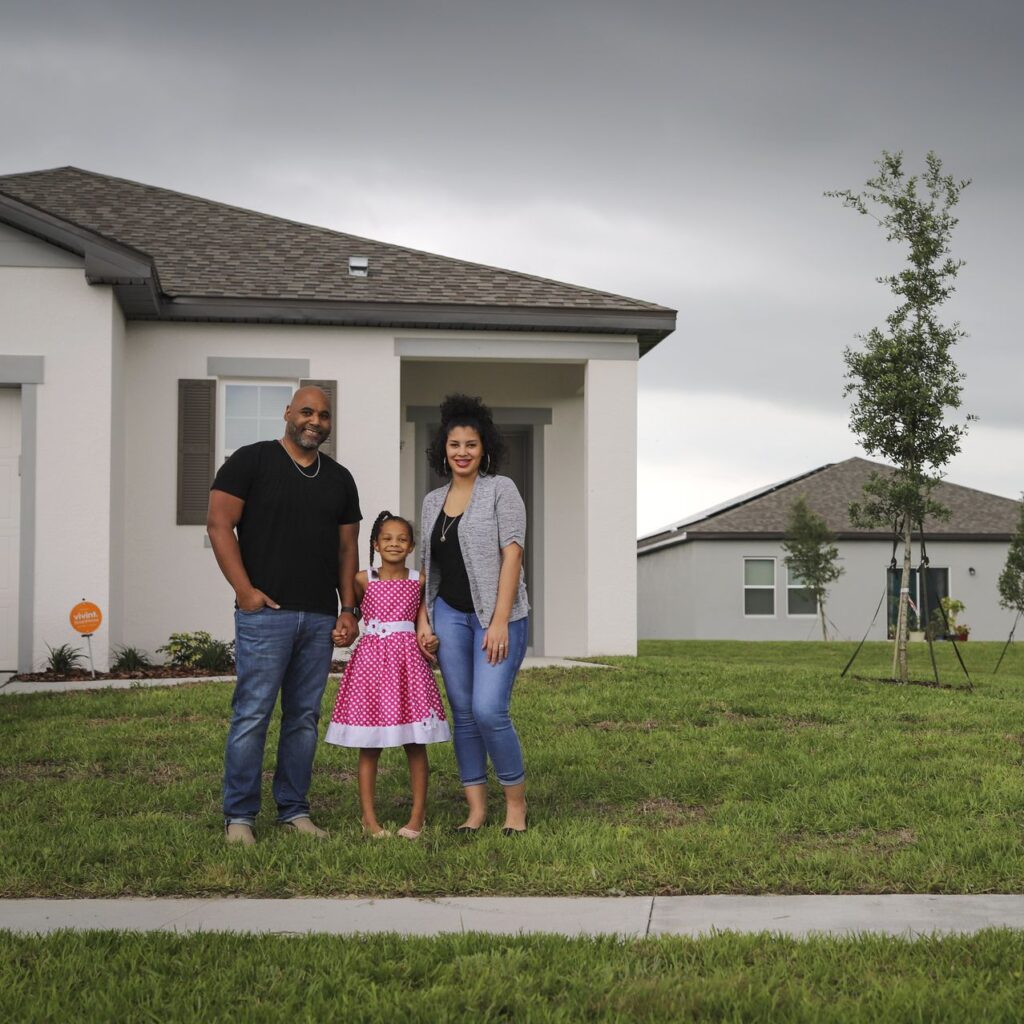
For many, renting feels like a holding pattern as a placeholder until “real” homeownership begins. But what if your renting years could be something more? What if they became a strategic launchpad for your future home purchase? The truth is, some of the most important work toward homeownership happens long before you ever tour a house. Your time as a renter offers the perfect runway to build the financial foundation you’ll need.
Build Your Credit History Intentionally
Your credit score will be one of the first things lenders evaluate when you apply for a mortgage. The good news? You can build and strengthen your credit while renting.
Start by ensuring your rent payments are reported to credit bureaus. Some services allow you to add positive rental payment history to your credit file, which can boost your score. Beyond rent, focus on paying all bills on time, keeping credit card balances low, and avoiding unnecessary new credit inquiries. Each positive month builds a stronger profile.
Create a “Mock Mortgage” Budget
One of the biggest adjustments in transitioning from renter to owner is the shift in monthly housing costs. Use your renting years to practice.
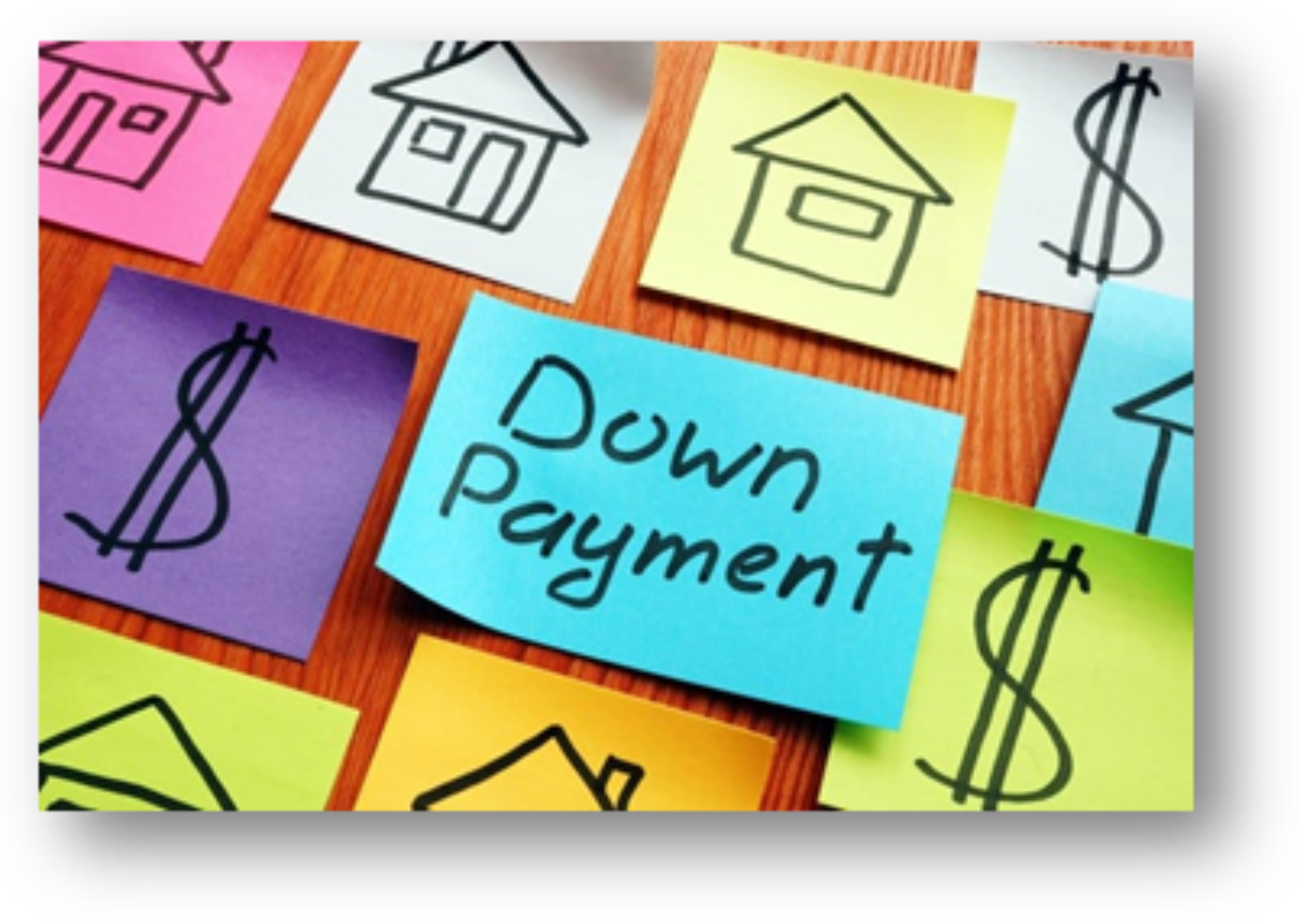
Research the price range you’re targeting and calculate what a monthly mortgage payment would look like (including property taxes and insurance). Then, start setting aside the difference between your current rent and that estimated mortgage payment into a dedicated savings account. This does two things: it builds your down payment fund and shows you exactly how that future payment will feel in your actual budget.
Save Strategically, Not Just Generally
Speaking of savings, move beyond a vague “save more” goal. Get specific:
- Research down payment assistance programs in your area you may need less than you think.
- Understand closing costs (typically 2-5% of the purchase price) and add them to your target.
- Set monthly savings milestones based on your target timeline.
If you plan to buy in three years and need $30,000 total, that’s roughly $830 per month. Knowing the number makes it real and achievable.
Learn the Market While You Have Time
Renters have a luxury that active buyers don’t: time. Use it wisely.
- Follow local real estate listings to understand pricing in neighborhoods you love.
- Attend open houses (yes, even as a renter) to get a feel for different home types and conditions.
- Research loan programs and learn which ones you might qualify for based on your career and finances.
This knowledge will serve you well when you’re ready to make an offer.
Address Debt Before You Apply
Your debt-to-income ratio (DTI) is critical for mortgage approval. Use your renting years to tackle high-interest debt strategically. Pay down credit card balances, consider whether paying off a small loan makes sense, and avoid taking on significant new debt (like financing a car) close to your homebuying timeline.
Build Your Team Early
You don’t need to wait until you’re ready to buy to start building relationships. Understanding who you’ll need a trusted lender, a real estate agent who understands first-time buyers, and perhaps a financial coach means you’re not scrambling when the time comes.
Renting with intention transforms passive waiting into active preparation. Each month becomes a step forward, not a pause.
The educational resources and personalized guidance available through your employer’s financial wellness benefit, with support from a trusted partner like Advantage Home Plus, can help you create a tailored plan that turns your renting years into a powerful foundation for future homeownership.